
Institute Intelligence, February 2026: The Pace of Justice, Q&A with a Syracuse Chief of Staff
By Carla Sinclair, Communications Project Director

It’s sometimes the shortest month that can feel the longest. In New York, we’re digging ourselves out the residual snow from two storms and—speaking, at least, for those compiling this newsletter—ready for the spring thaw.
Municipal response to this winter weather proves how complicated governing can be: Where does the snow go? Who moves it there? And at what point does a snowball fight become assault?
Like so many other policy questions, the answers can only be found at the intersection of data, community feedback, and infrastructure. And we’re here to help look for them. Read on for what we’ve found this month.
Want to stay in touch? Follow us on Bluesky, LinkedIn, and Facebook for the latest on our research, policy, events, and funding announcements.
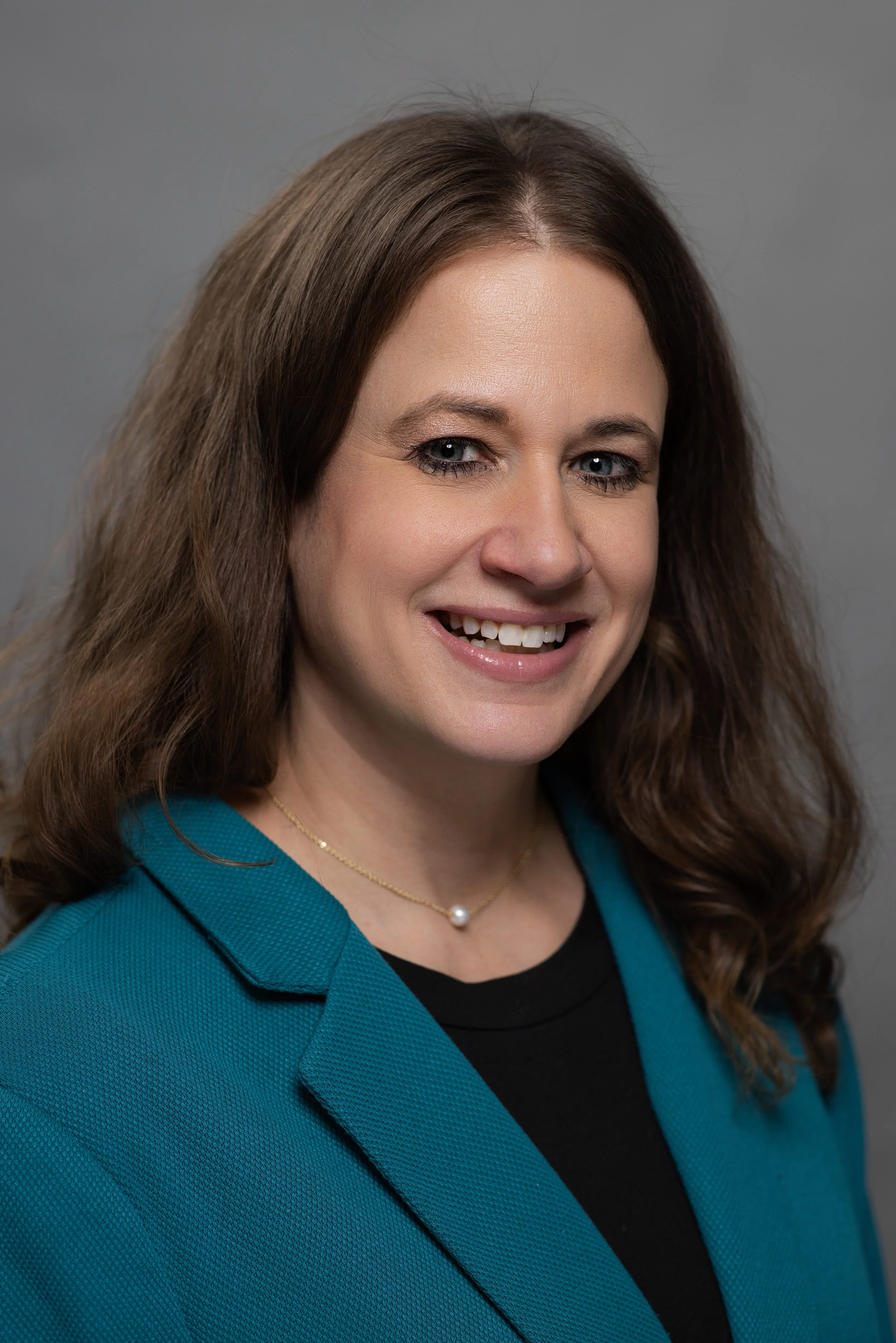
“You see what people are trying to do and what the community needs to function, what the residents need to thrive. You become invigorated, and you want to help them and make sure things are done properly.”
Q&A with NYS Assembly Chief of Staff Diana LaMattina Abdella
A lifelong Syracusan, Diana LaMattina Abdella’s commitment has always been to her community. At first, she did this through reporting for local daily newspapers, then through her now 18+ years of public service working for NYS Assemblymember Bill Magnarelli—first working in communications, and now as chief of staff. And as of two years ago, she’s also on the local school board.
Being involved in the community is critical, she said in a recent interview with us, because “you see what people are trying to do and what the community needs to function, what the residents need to thrive. You become invigorated, and you want to help them and make sure things are done properly.”
LaMattina Abdella is also Fellow in CUNY ISLG’s 2025-2026 Kriegel Fellowship for Public Service Leaders. In her conversation with CUNY ISLG, she traced her path to public service, reflected why it’s important to offer trainings for legislative office staff, and discussed the benefits of learning from your peers.
Next Week: Strategies for a New Era of Policing and Public Safety in NYC

Each interaction the police have with the public is a chance to build trust. Or to create lasting harm. The different lies in the different strategies law enforcement and other government entities use to approach behavioral health, substance use, pedestrian stops, and procedural justice.
This panel features leading experts on the research and practice of these public safety strategies. Moderated by Jeremy Travis, senior fellow at the CUNY Institute for State & Local Governance (CUNY ISLG) and former president of John Jay College, the discussion will feature Brandon del Pozo, former NYPD precinct commander and Burlington, Vermont, chief of police (alumnus of the CUNY Ph.D. Program in Philosophy); Ayesha Delany-Brumsey, director, Office of Behavioral Health (Community Based Services) at NYC Health + Hospitals; Kathleen Doherty, research project director at CUNY ISLG; and Tracey Meares, Walton Hale Hamilton Professor of Law and founding director of the Justice Collaboratory, Yale Law School.
The Pace of Processing Justice
Courts play a central role in local criminal legal systems, shaping the experiences and outcomes of people facing legal charges. Despite longstanding efforts to improve court efficiency, defendants in many American courts continue to experience significant case processing delays driven by a complex array of factors. These delays have profound consequences for individuals awaiting trial, disposition, or sentencing—particularly for those detained in jail pretrial.
Using local jail data collected as part of the Safety and Justice Challenge, CUNY ISLG researchers explored how case processing time changed during and after the peak of COVID-19 in 10 cities and counties. By examining court data trends, jurisdictions can identify, assess, and scale best practices for timely case resolution, saving time, conserving resources, and maintaining a fair and efficient court system.
What we found:
Case volume declined over the past decade.
Despite lower case volume, case processing times increased substantially over the past decade for both felony and misdemeanor cases, with sharper and more persistent increases among misdemeanors.
SJC jurisdictions fall short of meeting model case processing time benchmarks—a trend also found across non-SJC counties.
Explore these findings in-depth in our latest web report.
On our Blog: It’s easy to see that case processing times are getting longer. The cause, however, is more difficult to pinpoint. On our blog, report author Douglas Evans breaks down the factors that affect case processing time, and what some SJC sites have done to get them down without impacting safety.
CUNY ISLG on the television screen y en la pantalla de la computadora.
In the past month, CUNY ISLG staff and Fellows have been lighting up the airwaves. In case you missed it:
At the start of February, Mayor Mamdani named the Fortune Society’s Stanley Richards as commissioner of NYC Department of Corrections, a role that includes taking the helm of Rikers Island as it faces a number of humanitarian and legal inflection points, including a newly appointed remediation manager.
Our Executive Director Michael Jacobson, a former DOC commissioner himself, joined NY1 to discuss the appointment: "Stanley understands the vicissitudes of day-to-day life of managing a complicated organization, but keeping your eye on the ball on the North Star of having a dignified, humane system at the end of the day."
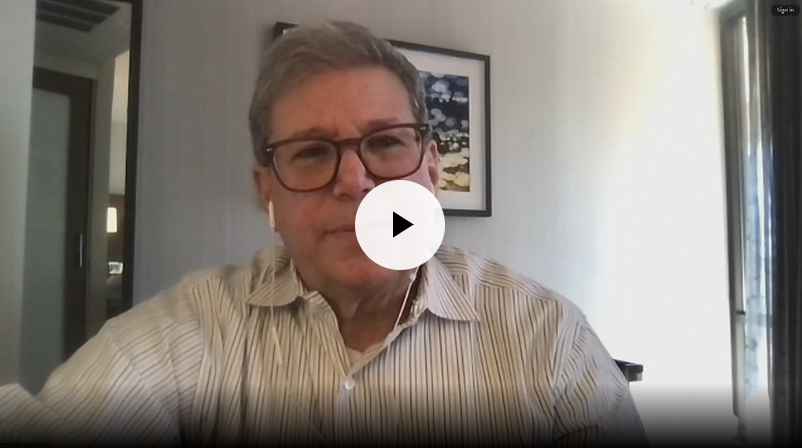
It’s officially been half a year since we launched the Civic Engagement Fellowship in partnership with the NYC Campaign Finance Board (CFB). The Fellowship, which embeds CUNY seniors into community-based programs in the South Bronx, aims to increase voter engagement through outreach and engagement. After a year of part-time work, the Fellows go on to work full-time at their host site for a year after graduation.
While the community is culturally diverse, 64 percent of the population is Hispanic. It also has one of the lowest voting rates in the city. Fellow Madeline Mendoza Sierra, who immigrated from the Dominican Republic when she was a teenager, joined CFB’s Jadel Munguia on BronxNet’s Dialogo Abierto to discuss why it’s important to understand the communities you’re working with to bring them to the civic conversation.
Inaugural Rutgers Lecture Series features Senior Fellow Jeremy Travis on Human Dignity
“Scholars, advocates, jurists and activists often critique the criminal justice system for its violations of ‘human dignity. What do we mean by human dignity? What if we took seriously the aspiration that our responses to crime should protect and promote human dignity? How might this goal guide the future of justice reform?”
Earlier in February, CUNY ISLG Senior Fellow Jeremy Travis, a nationally recognized leader in criminal legal reform and scholarship, kicked off the Rutgers School of Criminal Justice’s Dean’s Lecture Series with “Human Dignity: Our Elusive North Star,” an appeal to how our responses to crime should protect and promote human dignity.
Stay in touch - sign up for our newsletter to get all the latest updates.