
BLOG
Institute Intelligence
Insights, case studies, news, and updates from ISLG’s good governance research and action.

Institute Intelligence, September 2026: What would universal child care do for New York State? Plus: Prosecutorial data in a new public dashboard.
A snapshot of the work we’ve done this past month.

New City of Toledo Prosecutor’s Office Dashboard highlights Success of Domestic Violence Unit
Data and transparency can be a key tool for prosecutors’ offices looking to show policymakers and the public the impact of their work. The City of Toledo Prosecutor’s Office partnered with our Prosecutorial Data Collaborative to do this and has launched a public dashboard.
Institute Intelligence, August 2026: The legacy of the Safety and Justice Challenge; timely events from the Justice Training Institute
A snapshot of the work we’ve done this past month.

Defining the Legacy and Ongoing Impact of the Safety and Justice Challenge
Over a decade, the Safety and Justice Challenge helped more than 60 cities and counties safely reduce jail use. CUNY ISLG served as data partner and intermediary throughout. Now, with MacArthur, ISLG is supporting the SJC's next phase by building on this legacy through new avenues of work.
Institute Intelligence, July 2026: Pay raises for NYC elected officials; what's behind rising numbers of women in jail
A snapshot of the work we’ve done this past month.
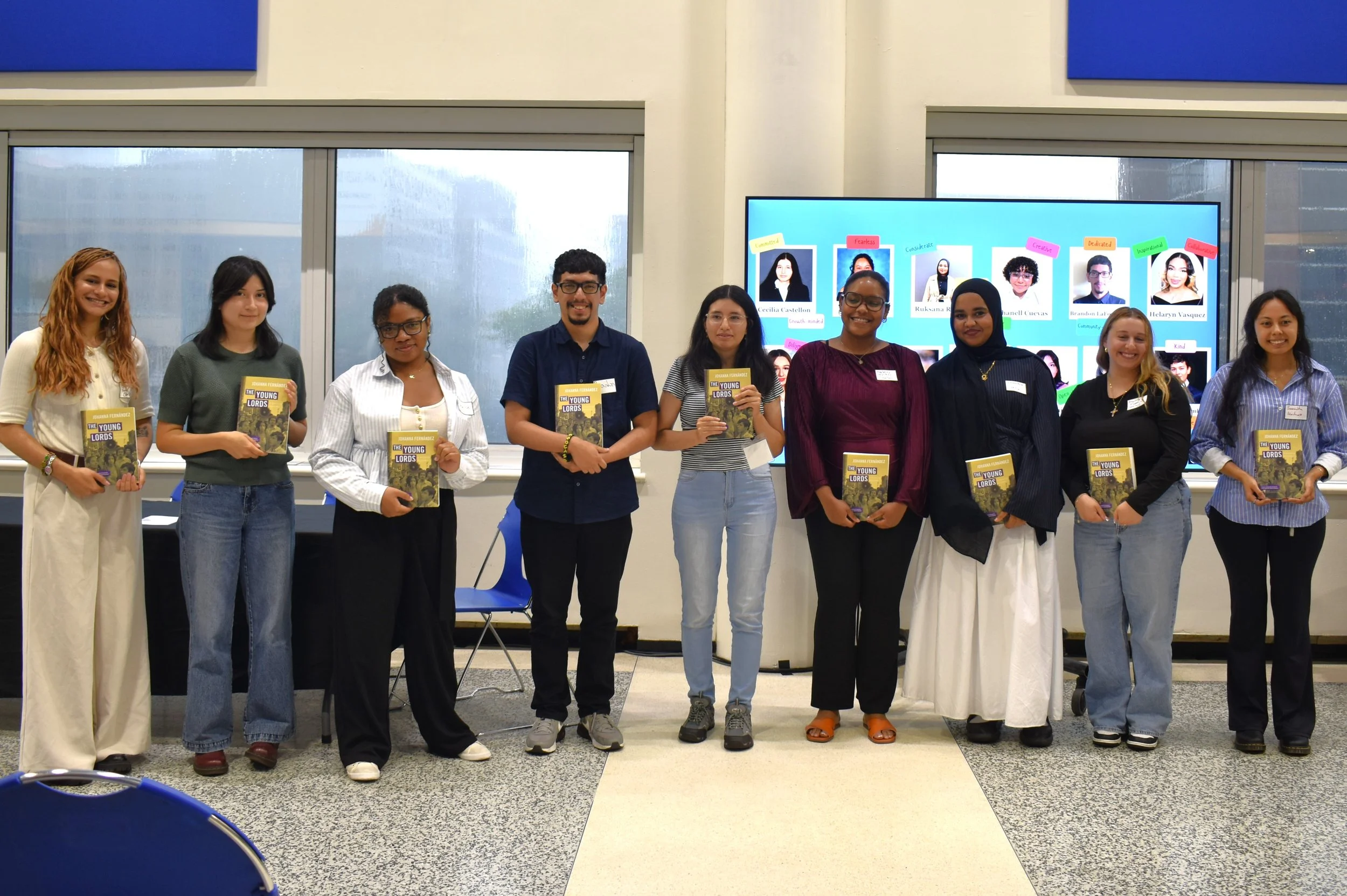
After One Year, Civic Engagement Fellows and South Bronx Community Organizations Celebrate the Past and the Future
Civic Engagement Fellows and their host organizations came together to both look back at the work done engaging and educating community members in the South Bronx over the first year.

Do New York City’s elected officials deserve a raise?
For the first time in 10 years, elected officials in New York City voted to give themselves a raise—an 18.2 percent increase. That number came as a recommendation from the Quadrennial Commission, for which CUNY ISLG conducted an independent analysis of affordability, comparable wages, and other cities to make sure the recommendations were rooted in data, not politics.
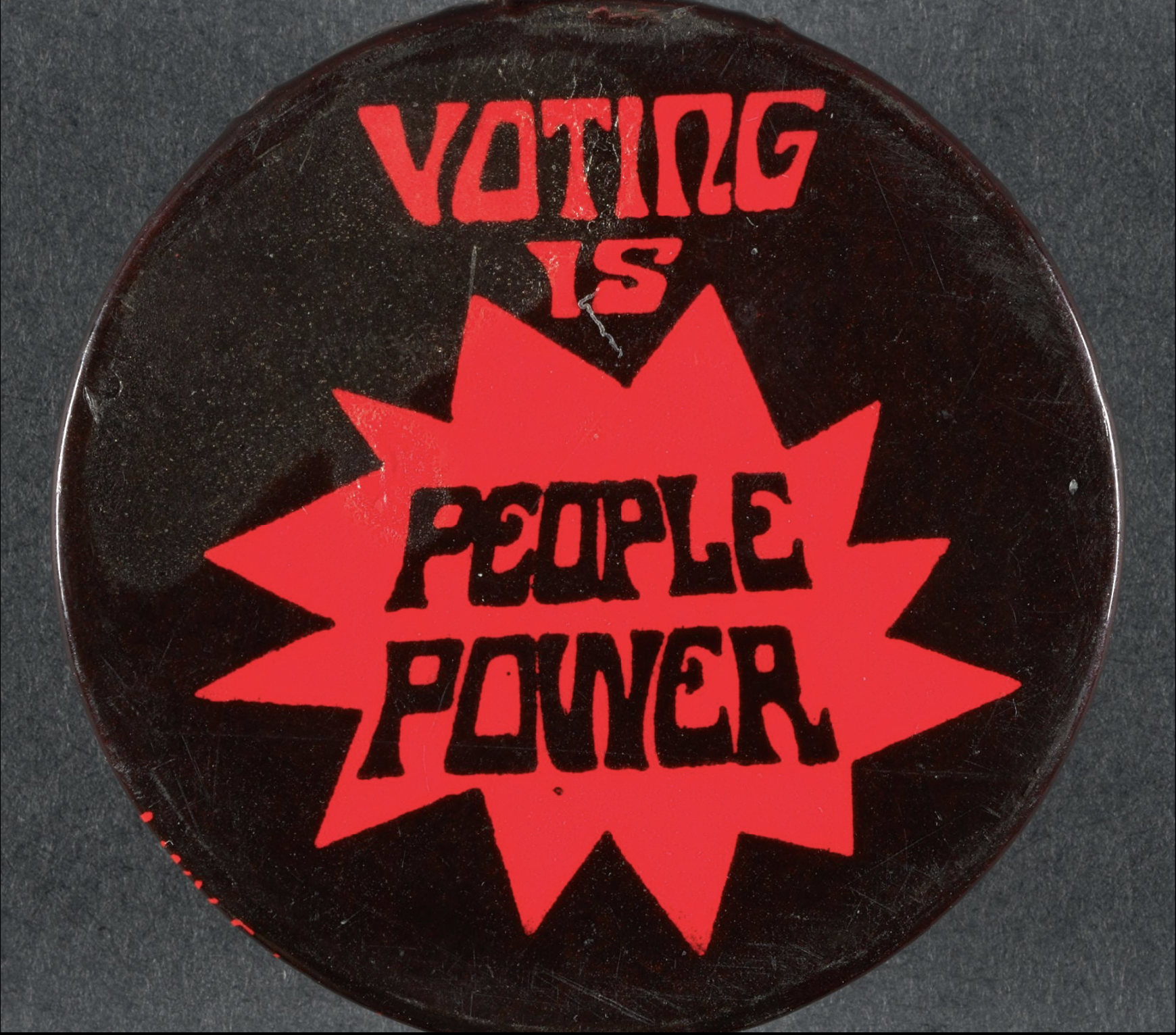
Why Some Young People Don’t Want to Vote Anymore
Why do students feel apathetic about voting, and what can be done? This post, by Civic Engagement Fellow Stephanie Frias, is the first in our series “Field Notes: Civic Engagement Fellow Voices on Democracy.”

The Complex Reality Behind Women’s Rising Jail Populations
After decades of rapid increase, cities and counties across the country were starting to reduce the numbers of women held in jails. But those numbers have started to climb again. A new analysis from CUNY looks at why women are being booked, how long they’re staying, and how it compares across demographics and to men.
Institute Intelligence, June 2026: Smart budgeting for a stronger CUNY; Restorative justice for community safety
A snapshot of the work we’ve done this past month.

Facing Political and Demographic Shifts, CUNY Financial Leaders are Strengthening Financial Practices
The CUNY system educates hundreds of thousands of New Yorkers a year and serving as a major social economic engine for the city. Managing the budgets of its 26 colleges is, thus, complex. ISLG’s Financial Planning Fellowship for Higher Education gives CUNY college leaders to the tools to balance budgets while advancing academic innovation.

What comes before safety? Accountability, connection, stability. For many, that begins with restorative justice.
Last year, around 2,000 people entered and were released from NYC’s jails every month. Tens of thousands more were redirected to community programs. The breadth of these systems ask: How do public systems and services ensure responses to crime hold people accountable, without adding to cycles of incarceration? Restorative justice has been used to find these answers.