Institute Intelligence, July 2026: Pay raises for NYC elected officials; what's behind rising numbers of women in jail
By Carla Sinclair, Communications Project Director, and Molly Dektar, Senior Communications Associate

It's high summer in New York City, with its quickly-becoming-familiar array of weather challenges. In the past month we've faced hazardous smoke and flash floods, sometimes on the same day. At least we can say now that the public officials tasked with keeping New York City running amid these dangers—our city councilmembers, borough presidents, and other leaders—will be receiving an 18.2 percent pay raise, the first adjustment to their salaries since 2016. CUNY ISLG led the research for this project, finding that our elected leaders had lost almost 25 percent of their real purchasing power since 2016, among other key data points that led us to our 18.2 percent recommendation. While Mayor Mamdani earned "highbrow/brilliant" status for rejecting his raise, the new salaries for other offices will help to ensure a diverse and representative government suited to our diverse and complicated city.
Also new this month: a report on women in jails, a summer celebration for our Civic Engagement Fellows, a new piece in Vital City by Executive Director Michael Jacobson, and more.
Want to stay in touch? Follow us on Bluesky, LinkedIn, and Facebook for the latest on our research, policy, events, and funding announcements.
Do New York City’s elected officials deserve a raise? We collected the data to find out.
Last week, the New York City Council passed the first raise for elected officials in a decade. The raise came at the recommendation of the Quadrennial Commission, an appointed taskforce established by Mayor Koch in 1978 to evaluate elected officials’ salaries in New York City every four years; the goal of this was to ensure that public offices are able to attract and retain qualified candidates, and that these roles are viable paths for people regardless of their background or personal wealth. The Commission, however, had not met since 2016.
The 2026 Commission made several recommendations, including the 18.2 percent raise, which passed this July. As the independent research partner, CUNY ISLG conducted an analysis of affordability, comparable wages, and other cities to make sure the recommendations were rooted in data.
Some key data points that informed the recommendations:
In 2016, salaries for New York City mayor and City Councilmember ranked second amongst comparable cities (e.g., San Francisco, Boston, Chicago) but dropped to fifth and sixth, respectively, in 2026.
Due to inflation and rising costs with no salary increase, New Yorker elected officials have lost real purchasing power by almost 25 percent since 2016.
New York State legislators, New York nonprofit executives, and many New York City municipal workers have seen at least a 25 percent increase over the period.
The Complex Reality Behind Women’s Rising Jail Populations
Since 2021, the population of women in jails has increased significantly nationwide, reversing much of the progress made over the previous decade.
Post-pandemic, women are being incarcerated at higher rates and for longer periods of time when compared to men and significantly more so for women of color.
Our new brief, The Hidden Crisis of Women in Jails, examines the data behind these trends. Despite work reducing incarceration rates nationwide, more must be done to examine why women are being incarcerated more, and what must be done to provide for the needs of women before, during, and after they come in contact with the criminal legal system.
With research lacking and projections forecasting a 20 percent increase in the population of women incarcerated in jails over the next decade, it is crucial to make the issue a priority for research, policy development, and reform efforts. We hope that this work inspires further efforts, and helps to fill the critical gaps in data and understanding to better serve these women and our communities that they are members of.
Dig into the data and why it matters in The Hidden Crisis of Women in Jails, and see an overview of findings on our blog.
Celebrating a year of boosting civic engagement in the South Bronx
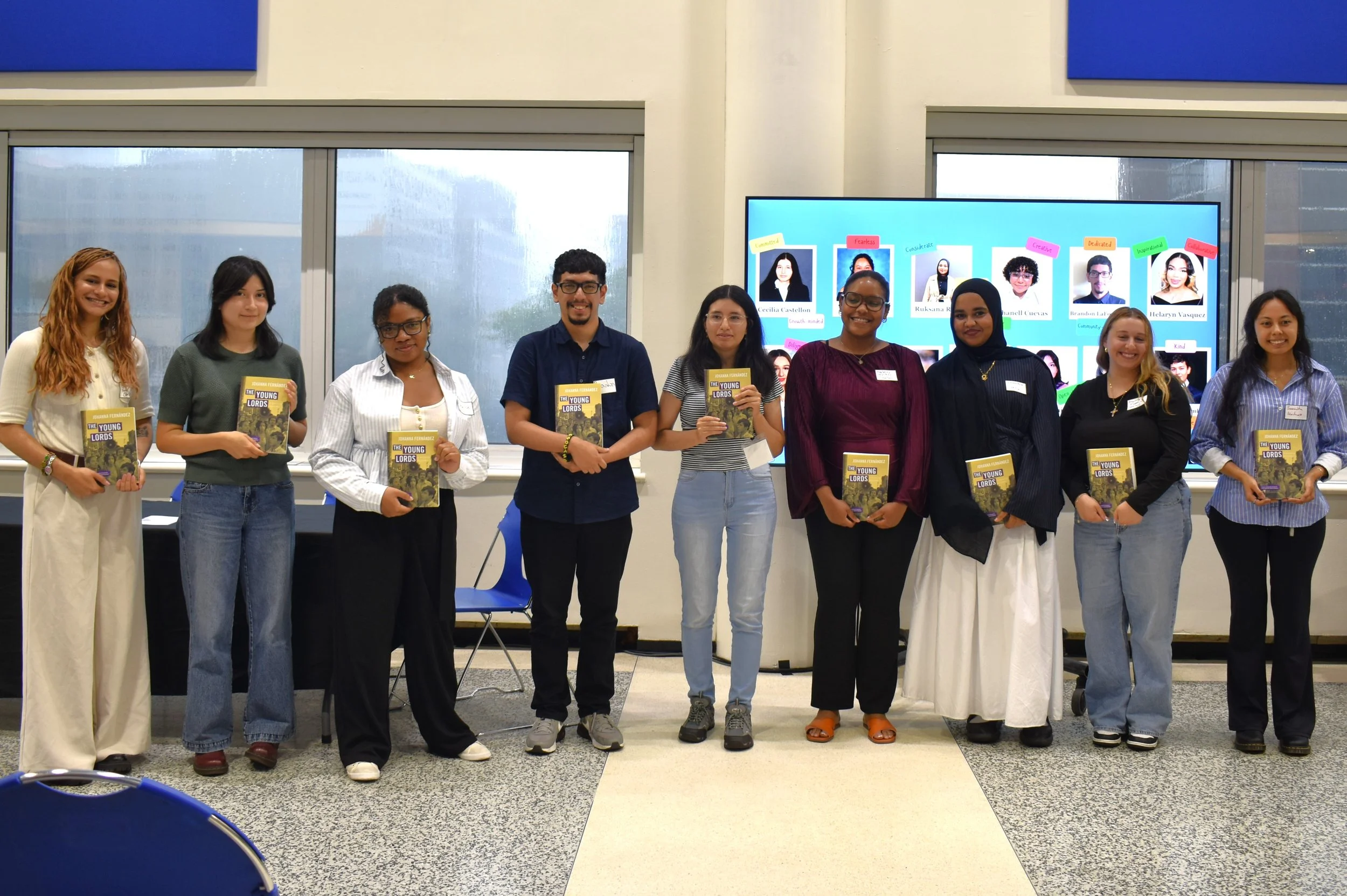
Launched last year in partnership with the New York City Campaign Finance Board, our Civic Engagement Fellowship placed rising CUNY seniors—now CUNY graduates—with South Bronx-based community organizations to support and expand civic engagement initiatives. This has resulted in, among other accomplishments, 1,338 voters registered and 636 civic engagement events attended by 24,002 community members.
To commemorate the first year of the program, last week we brought together Fellows and their host organizations at Hostos Community College to celebrate everything that they’ve accomplished and reflect on their impact.
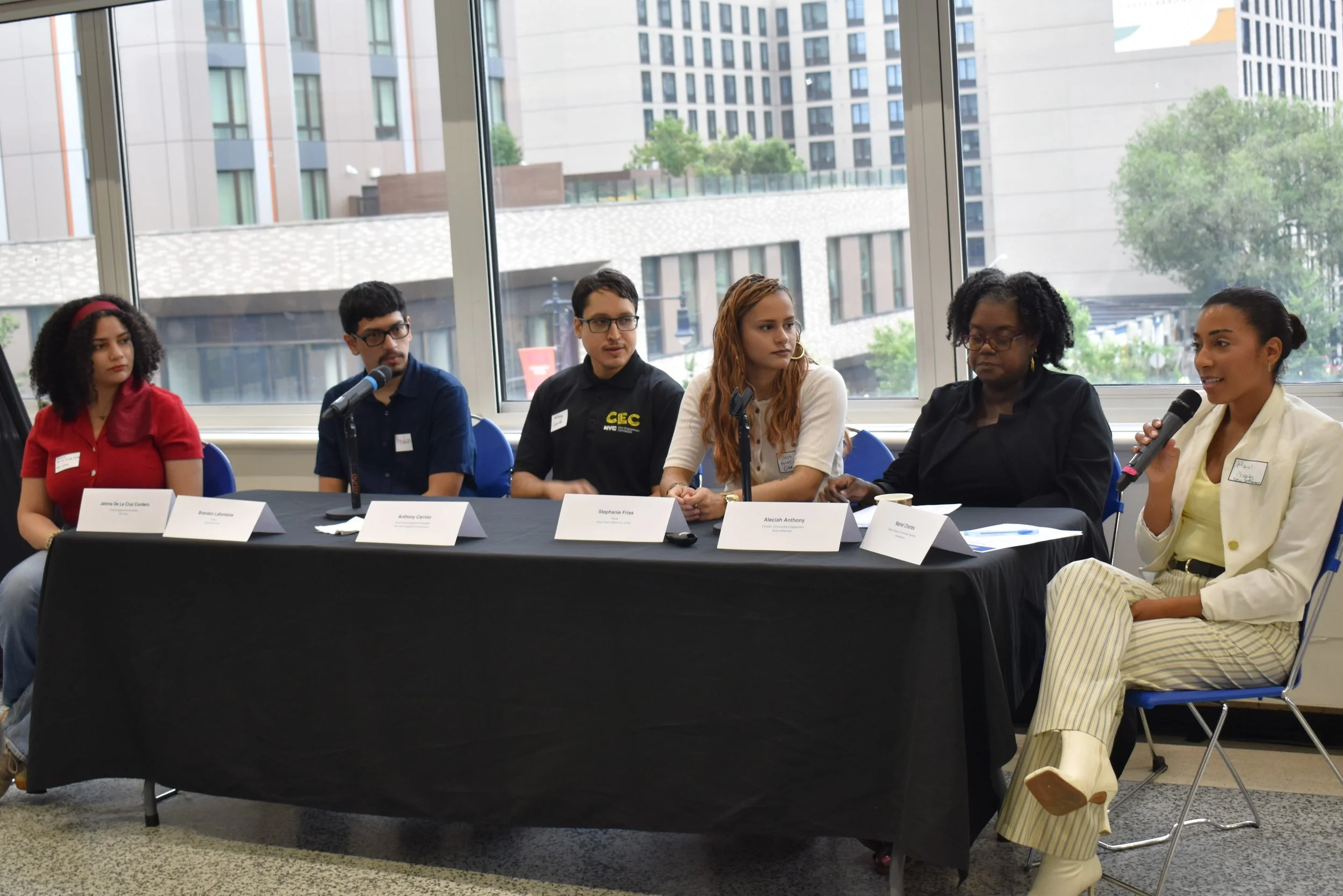
“For kids who have been continuously failed by systems that are supposed to serve them, it is not fair to expect them to immediately trust the voting system.”
Field Notes, our newest blog series, features the voices of our Civic Engagement Fellows. Stephanie Frias—who has been working with the Urban Youth Alliance International’s alternatives to incarceration program, BronxConnect—broke down what she sees as the causes of, and provides potential solutions for, the low rates of civic participation and apathy towards voting among young New Yorkers.
New webinars from the NYC Justice Training Institute
The NYC Justice Training Institute (JTI), created in partnership between CUNY ISLG and the Mayor’s Office of Criminal Justice, is a resource for staff across justice and public health systems who support people navigating crisis and instability.
This August, the JTI is partnering with The Council of State Governments (CSG) Justice Center for two upcoming webinars with a focus on providing better services and long-term supports for justice-involved young people.
Statewide Correctional Initiatives: Supporting Children with Incarcerated Parents
August 4 at 2 pm ET: Across the country, states are supporting children with incarcerated parents by strengthening coordination across corrections, child welfare, and community-based services.
In this webinar, experts will highlight the importance of maintaining family connections, improving communication between systems, and implementing policies that prioritize the well-being of children and caregivers. These initiatives aim to reduce negative outcomes for children, support successful reentry, and break intergenerational cycles of justice involvement.
Click here to learn more and register for the 8/4 webinar.
Supporting Crisis Stabilization for Youth and Young Adults During Reentry
August 12 at 1 pm ET: Experts will highlight the importance of effective case planning for youth and young adults. This work provides guidance for justice professionals on how to better engage, collaborate, and partner with systems that can address reentry needs and prevent crises that may lead to future justice system involvement.
Applications for the 2026 Kriegel Fellowship cohort are now open!
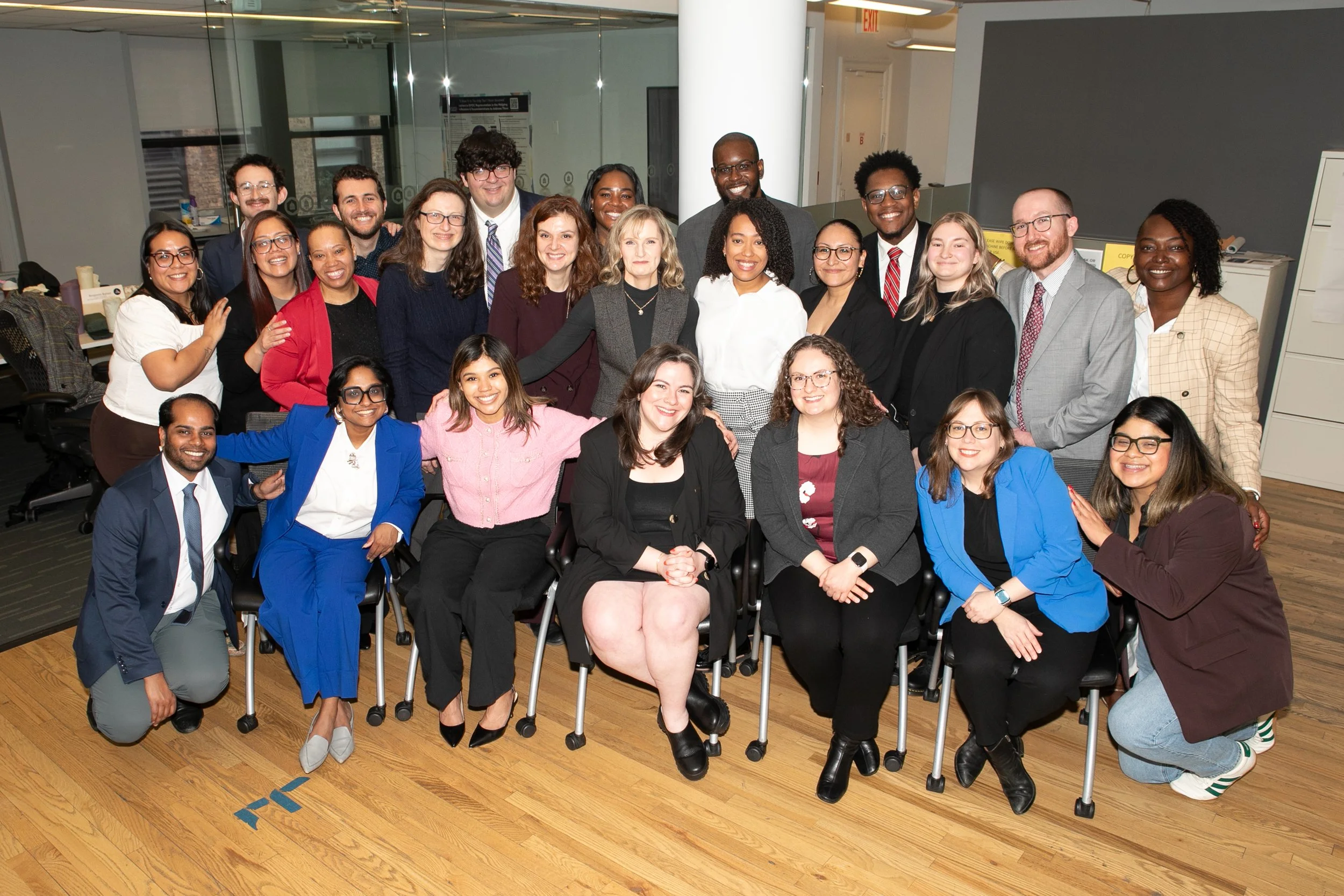
The Kriegel Fellowship is a professional development program designed to support the unique needs, demands, and responsibilities encountered by staff of legislators and other political leaders who represent New York City and State communities. Since its launch in 2019, we’ve hosted dozens of public servants from across the state, from New York City to North Country. Read about the most recent cohort on our blog.
We’re now accepting applications for the 2026 cohort. Chiefs of Staff, Deputy Chiefs of Staff, Deputy Chiefs of Staff, and other senior staff in in New York state, local, and borough political offices are eligible to apply. Applications will be reviewed on a rolling basis until we reach capacity, which we expect to happen by mid July. We encourage folks to get their applications in early.
To apply, please fill out this application or reach out to Siobhán Carney, Policy Director, at Siobhan.Carney@islg.cuny.edu.
Book review: A Sweeping Critique of America's Justice System
Our Executive Director, Michael Jacobson, has had a long career as a New York City public servant. This included serving as NYC Correction Commissioner, NYC Probation Commissioner, and a deputy budget director for the NYC Office of Management and Budget. He is also a sociology professor at the CUNY Graduate Center, specializing in criminology.
So it may be no surprise he’s written a book review on David Garland’s new book, Law and Order Leviathan: America’s Extraordinary Regime of Policing and Punishment, a “sweeping historical and sophisticated critique of our penal and policing institutions.”
In the review for Vital City, Michael outlines Garland’s diagnosis of “'three distinguishing features of America’s penal state: its monstrous, extraordinary nature; its grounding in popular fear of violence and disorder; and its authorization by the American electorate.’”
As founding director of an institute focused on state and local government, Michael also highlights where real change can happen: “the hyperlocal nature of the American criminal justice system — 17,521 state and local police departments, 3,100 jail systems, 50 state prison and parole systems, 2,300 elected district attorneys and 1,900 county probation systems — suggests that even significant national economic, political and social reform will not necessarily result in immediate changes in criminal justice policy at the local level given the decentralized nature of our system of justice.”
Stay in touch — sign up for our newsletter to get all the latest updates.