Institute Intelligence, April 2026: Immigration's impact on communities, Designing services to center data and community voices
By Carla Sinclair, Communications Project Director

Budget season is in full swing in New York, though behind schedule. The focus on affordability at both the City and State levels is rehashing age-old debates about spending, surfacing new ideas about funding, and reminding everybody that a budget is, first and foremost, a policy document.
Our government operations team has been thinking about these issues for years, and they’re bringing data and context to the table. Our analysis on the Fiscal Flow between New York City and Albany has fueled the conversation with its findings on the tax dollars NYC contributes and what it gets in return. Our scan of the different vacant property taxes governments can use to boost housing stock (and funds) provides case studies on how other cities have used empty home taxes—and what a pied-à-terre tax might mean for New York City.
Only time will tell what path policymakers will land on. But we’ll be ready to make sense of it and its impact on the people, communities, and systems when they do. Read on to see how we’re already doing so with immigration policy, public safety, AI, and more.
Want to stay in touch? Follow us on Bluesky, LinkedIn, and Facebook for the latest on our research, policy, events, and funding announcements.
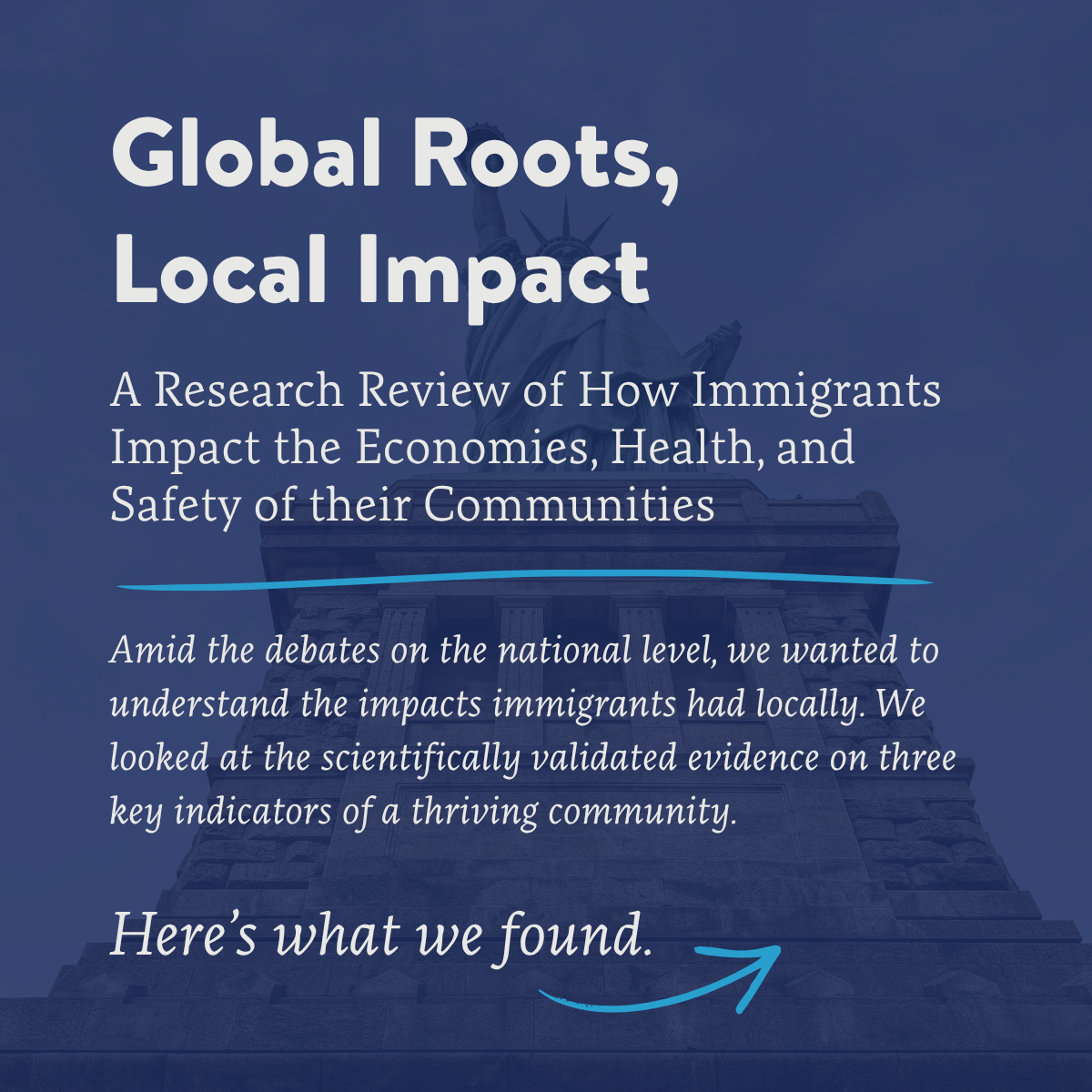
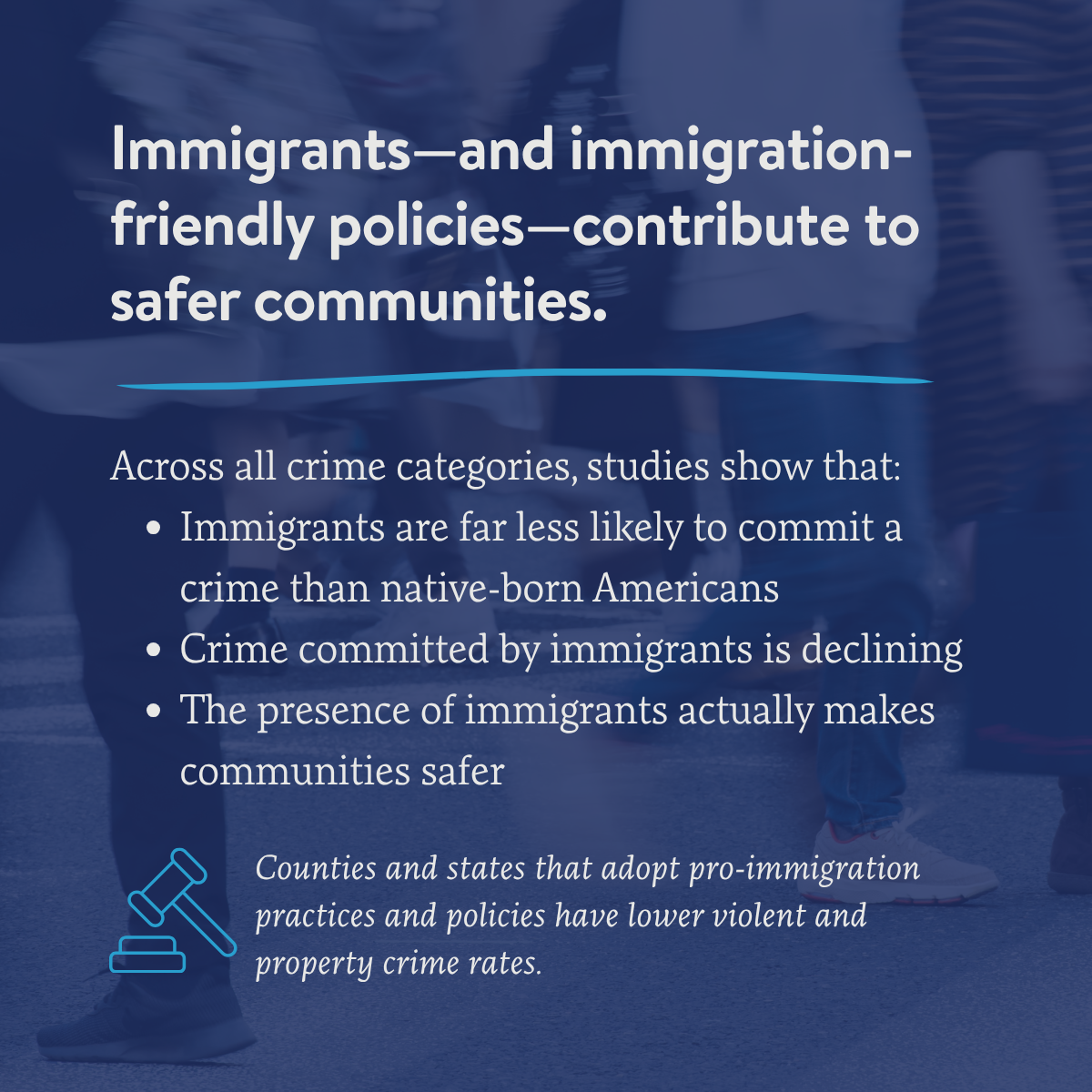
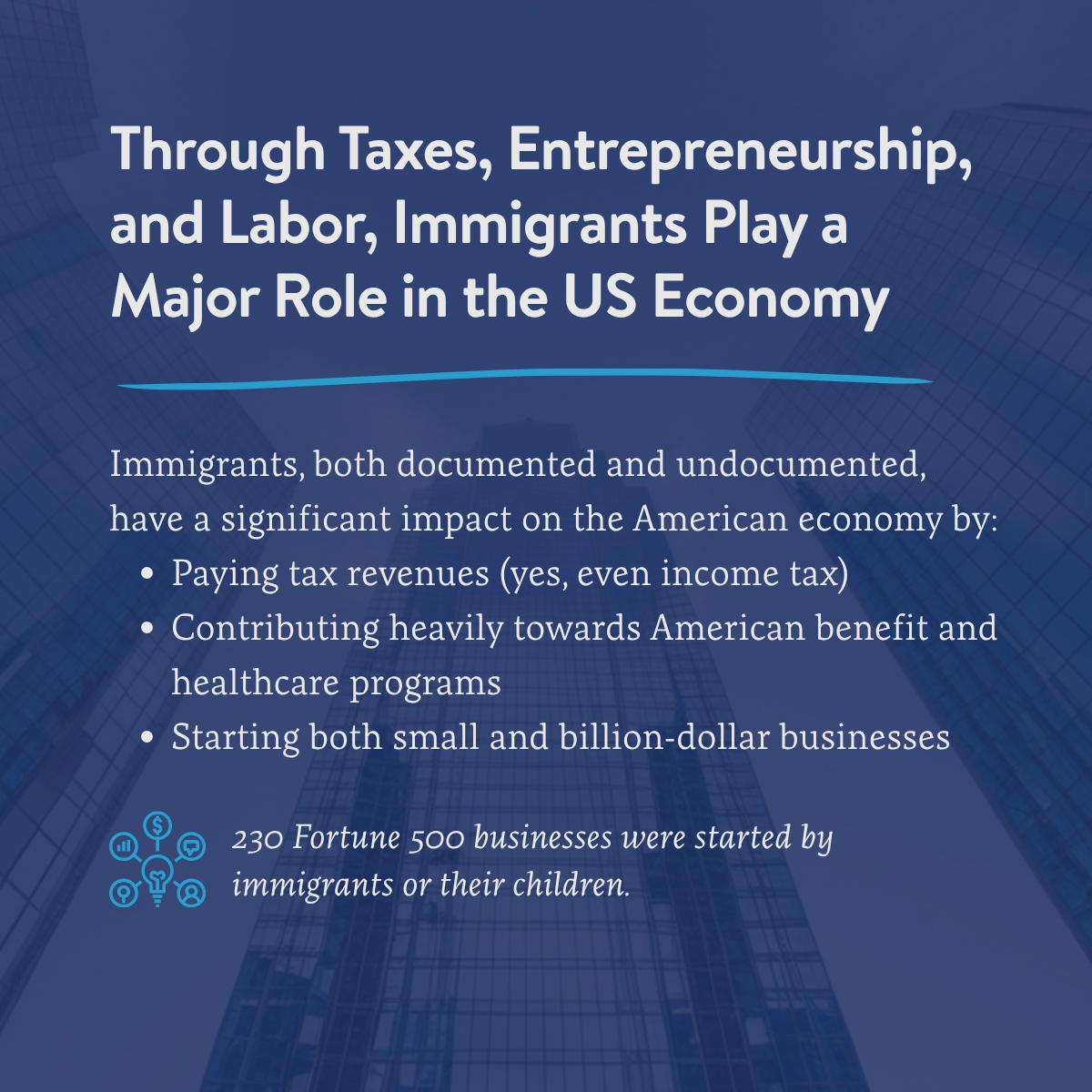
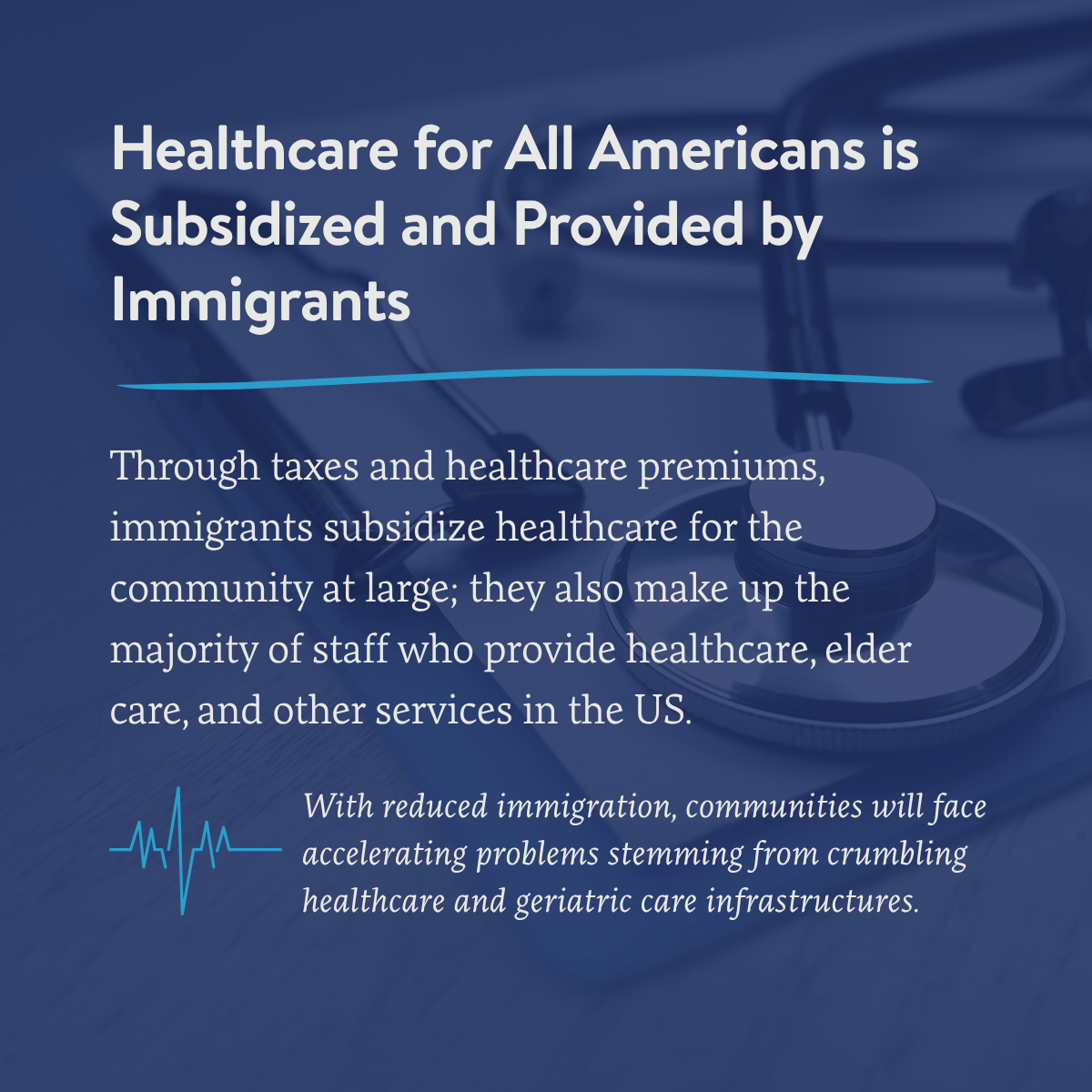
Quantifying the impact immigrants have on our cities, counties, and states.
Over 50 million immigrants live across the United States. While the largest concentrations are in major metropolitan areas such as New York, California, and Texas, there are sizable enclaves in small and medium-sized cities across the country, as well as more rural areas.
Across these communities, immigrants—both documented and undocumented—have innumerable socioeconomic impacts on the communities they now call home, from labor to tax bases to the cultural fabric.
As a strategic partner to state and local governments, we wanted to help numerate those innumerables so policymakers, community providers, and people affected by immigration policies (i.e., everyone, regardless of where they’re born) can create thriving communities. We assessed the impact of immigrants on three commonly referenced key indicators that define a thriving community: economy, health, and safety.
Understanding the benefits and risks of using AI in the public sector.
In theory, AI has incredible potential to help governments, community organizations, and other public sector entities improve the efficiency and quality of services. In practice, it also comes with questions and risks.
Harnessing the opportunities without doing harm requires a nuanced understanding not just of how the mechanics of the technologies work, but the outcomes they produce in different settings and their potential to create bias.
CUNY ISLG is committed to understanding and using these tools responsibly and effectively, both in our work with public sector partners and in our own internal organizational practices. Toward those goals, we are thrilled to announce our partnership in two important and timely initiatives: the AI for Nonprofits Sprint (AI Sprint), and the AI and Justice Consortium (AIJC).
Working with public sector partners to reduce gun violence in Flatbush.
Project Restore is a community-centered initiative that works to reduce gang violence, improve community safety, and support the positive development of young people ages 15-28 most at risk of involvement in gun violence. When Project Restore was originally piloted in Bedford-Stuyvesant in 2023, the program was found to reduce shootings by 28 percent while successfully enrolling participants in college.
Now, the Kings County District Attorney’s Office is bringing Project Restore to Flatbush, and we’re partnering with them to do it. We’re looking for a community organization to administer the program—proposals to the RFP are due May 22. We’ll work alongside the selected organization to support implementation and administration of the program, as well as help measure their performance and build capacity.
“We are looking for an organization rooted in the fabric of Flatbush to help us replace the cycle of violence with a cycle of opportunity, ensuring that our most vulnerable young people have the support they need to build a peaceful and thriving future.”
- Brooklyn District Attorney Eric Gonzalez
Learn more about the program and the RFP. Please share with your networks!
ICYMI: Who Cares for New York?
Last Wednesday, we convened policymakers, nonprofit leaders, labor organizers, and researchers to better understand the yawning wage gap between what New York’s government-contracted human service sector workers make and the cost of living. As we found in our recent analysis, many are severely underpaid for their work, impacting the pipeline, quality, and sustainability of these services, as well as the strength and wellbeing of workers and their families.
We’ll have a full recap to you soon, but for now, check out these clips on LinkedIn of FPWA’s Jennifer Jones Austin and New York Foundling’s Melanie Hartzog on the importance of the human services sector workers and how they’re being left behind.
Incorporating data and participant voices in services.
Community-based services that are most impactful—and sustainable—incorporate meaningful participant input in their design and measurement. On-the-ground, responsive data allow organizational leaders and staff, as well as researchers and funders, to understand what’s working, what’s not, and where to go.
The Criminal Justice Investment Initiative (CJII) was a first-of-its-kind investment in Manhattan’s communities. Through it, the Manhattan District Attorney’s Office and CUNY ISLG directed $250M into strengthening the borough’s social service organizations, from youth and family services to reentry support.
From the beginning, embedding data collection and building a continuum of community involvement were key components of CJII’s design. In our final two briefs in the Building Safer Communities through the CJIIseries describe how we did it alongside the DA’s Office, program staff, and researchers.
Stay in touch - sign up for our newsletter to get all the latest updates.